
Top 5 Finest Foreign Currency Trading Software Program Suppliers 2025
20/06/2023
Although this specific type of pain is usually temporary and resolves as the body rehydrates, frequent or excessive consumption can lead to long-term structural changes or damage within the renal system. A comparative analysis reveals that the impact of long-term alcohol use on kidneys is akin to that of hypertension or diabetes, both leading causes of CKD. Alcohol acts as a diuretic, forcing your body to produce more urine than usual. This increased urination leads to a rapid loss https://ecosoberhouse.com/ of fluids and electrolytes, a condition known as dehydration. Even a single alcoholic drink can trigger this effect, but the severity escalates with higher consumption. For instance, a blood alcohol concentration (BAC) of 0.08%, the legal limit for driving in many countries, can significantly impair your body’s fluid balance.
Alcohol as a toxin the kidneys must filter
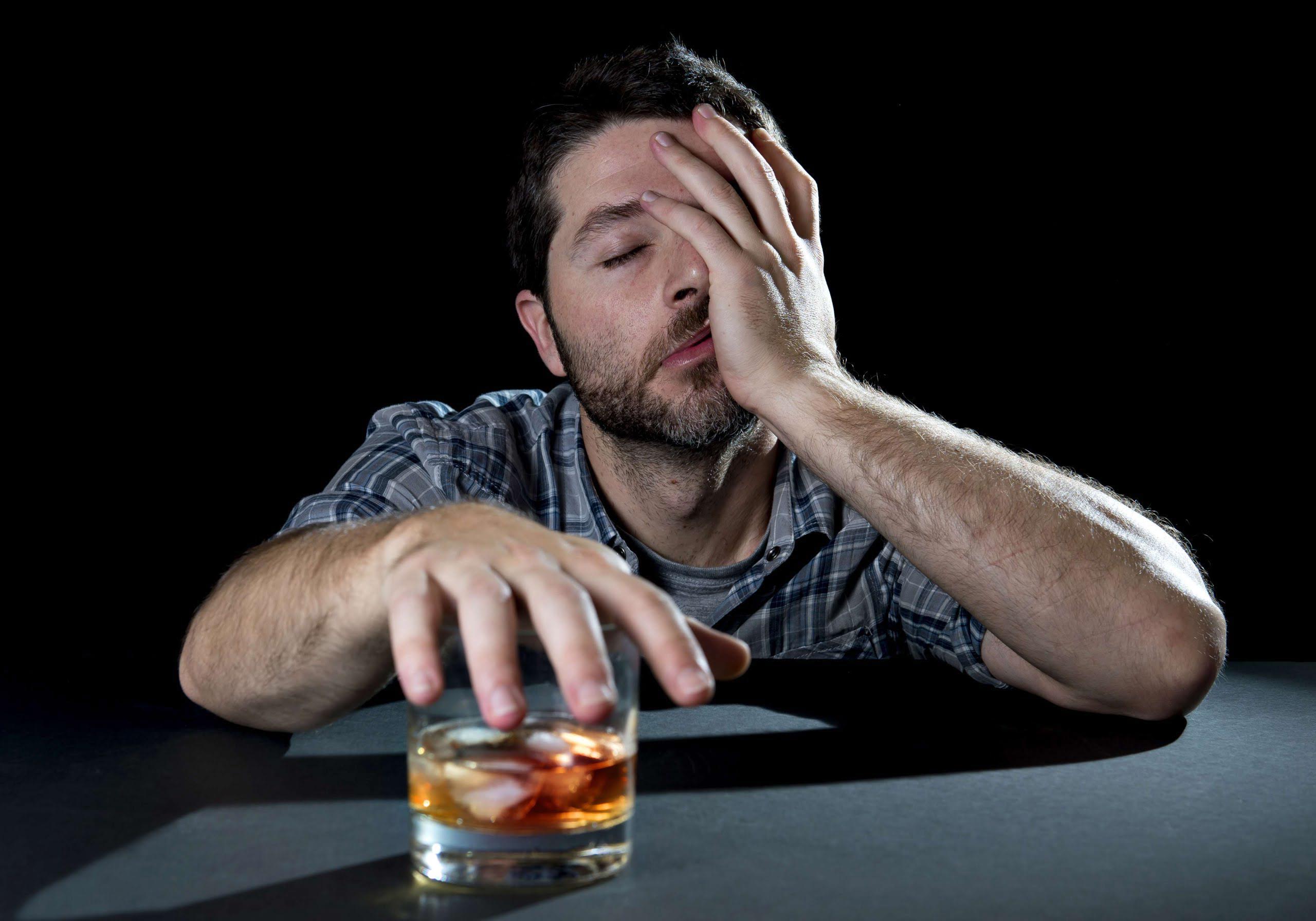
Heavy alcohol consumption doesn’t just affect the liver; it can also lead to acute kidney injury (AKI), a sudden and potentially life-threatening condition. This occurs when the kidneys are overwhelmed by toxins and deprived of adequate blood flow, both of which are exacerbated by excessive drinking. For instance, binge drinking—defined as consuming five or more drinks for men, or four or more for women, in about two hours—can rapidly elevate blood alcohol levels, straining the kidneys’ filtration system.
Why Does Drinking Cause Kidney Disease?

Consider a 35-year-old who has consumed six drinks per week for a decade. Initially, their liver processed alcohol effectively, maintaining a stable tolerance. However, after developing fatty liver disease, they notice feeling intoxicated after just two drinks—a clear sign of reduced processing efficiency. This example illustrates how liver damage directly correlates with decreased alcohol tolerance. Monitoring liver health through regular blood tests, such as ALT and AST levels, can provide early warnings of this decline. Resuming normal activities, including alcohol consumption, relies on concrete laboratory evidence, not just the absence of symptoms.
- This occurs when the kidneys are overwhelmed by toxins and deprived of adequate blood flow, both of which are exacerbated by excessive drinking.
- This symptom is a red flag for impaired kidney function and should not be ignored, especially if accompanied by other signs of alcohol-related damage.
- Yes, several medications can interact negatively with alcohol and increase the risk of kidney damage.
- Combining ibuprofen with blood thinners such as warfarin or newer anticoagulants can increase your risk of bleeding.
- This explains why moderate to heavy drinking puts your kidney health at serious risk.
Can Dehydration Cause Low Blood Pressure? Difference in Men and Women
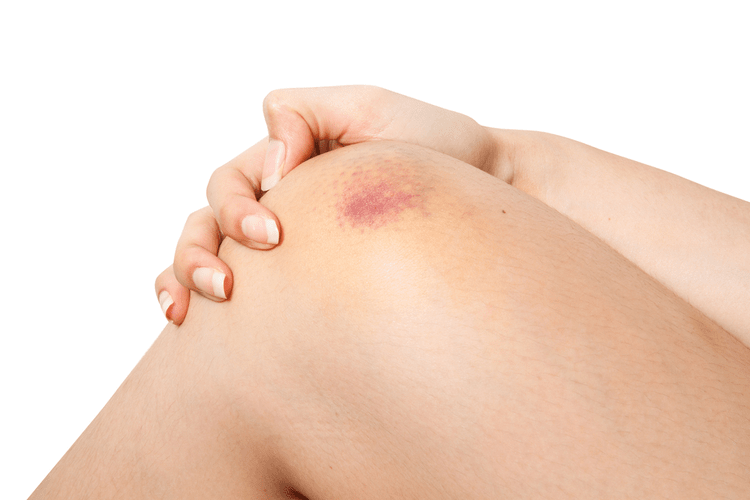
Research from 2020 found that binge drinking doubled the risk of CKD progression. What about the kidney pain some people claim to feel after a night of drinking? According to Dr. Bobart, there’s no research to suggest a link between alcohol and kidney pain. If you currently have kidney dysfunction it is best to talk to your healthcare team about how much if any alcohol you should be drinking. Some research indicates alcohol intake may have positive effects on a healthy can drinking cause kidney pain population, specifically men.
Protecting Your Kidney Health: Tips for Responsible Alcohol Consumption
- Over time, this approach fosters a healthier relationship with alcohol, where moderation becomes easier and more effective.
- Kidney pain after drinking alcohol may occur due to acute kidney injury or an infection.
- Dehydration increases the concentration of myoglobin and other toxins the kidneys must process, raising the risk of worsening or recurring acute kidney injury.
- Even moderate drinking can elevate blood pressure, straining the delicate blood vessels within the kidneys.
- Because the genetic instrument implemented in MR is determined inborn, the genetic exposure is minimally biased by reverse causation or confounding.
- Always consult your doctor to find the best option for your specific needs.
We will cover more about how alcohol changes hydration levels in more depth drug addiction treatment below. Alcohol can worsen the side effects of chemotherapy and other cancer treatments, such as nausea, dehydration, diarrhea, and mouth sores. Please check with a medical professional if you need a diagnosis and/or for treatments as well as information regarding your specific condition.

